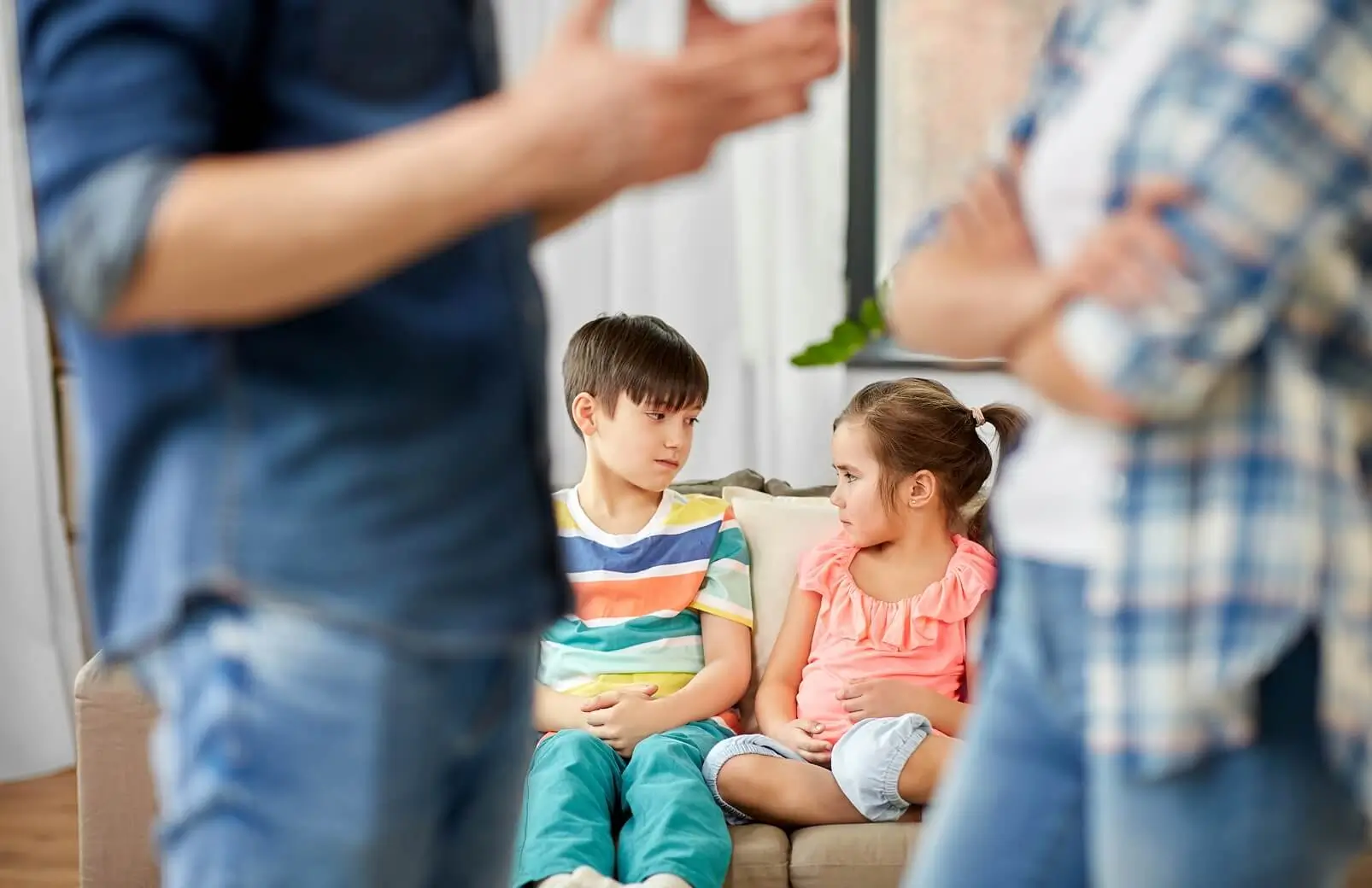
Your child says they are fine. They go to school, they eat dinner, they answer your questions with one word and disappear into their room. But something feels off, and you cannot quite name it. Recognizing the signs your child is struggling after divorce is one of the hardest parts of separation, because children rarely walk up and tell you what is wrong. They show you instead, through changes in mood, behavior, sleep, and schoolwork that are easy to miss when you are managing your own grief and the logistics of a new life.
The good news is that struggling is not the same as broken. When you can spot what your child is communicating without words, you can respond early, before small worries grow into bigger ones. This guide walks through the emotional, behavioral, and academic signs to watch for, organized by what they tend to look like at home and at school, along with practical ways to help your child feel steady again.
How Divorce Affects Children: What Is Normal and What Is Not
It helps to start with realistic expectations. The effects of divorce on children are real, but they are also varied. Some kids show distress right away. Others seem unaffected for months and then react when the dust settles. Age matters too. A 4-year-old processes separation very differently from a 14-year-old, and a teenager may hide feelings that a younger child wears openly.
A short period of sadness, clinginess, or irritability after parents separate is expected. How divorce affects children depends heavily on the level of conflict between parents, the stability of routines, and whether the child feels free to love both parents without guilt. What you are watching for is not a single hard day. You are watching for patterns that persist for weeks, intensify over time, or interfere with your child's daily functioning. That distinction, between a passing reaction and a lasting struggle, is the heart of knowing when to step in.
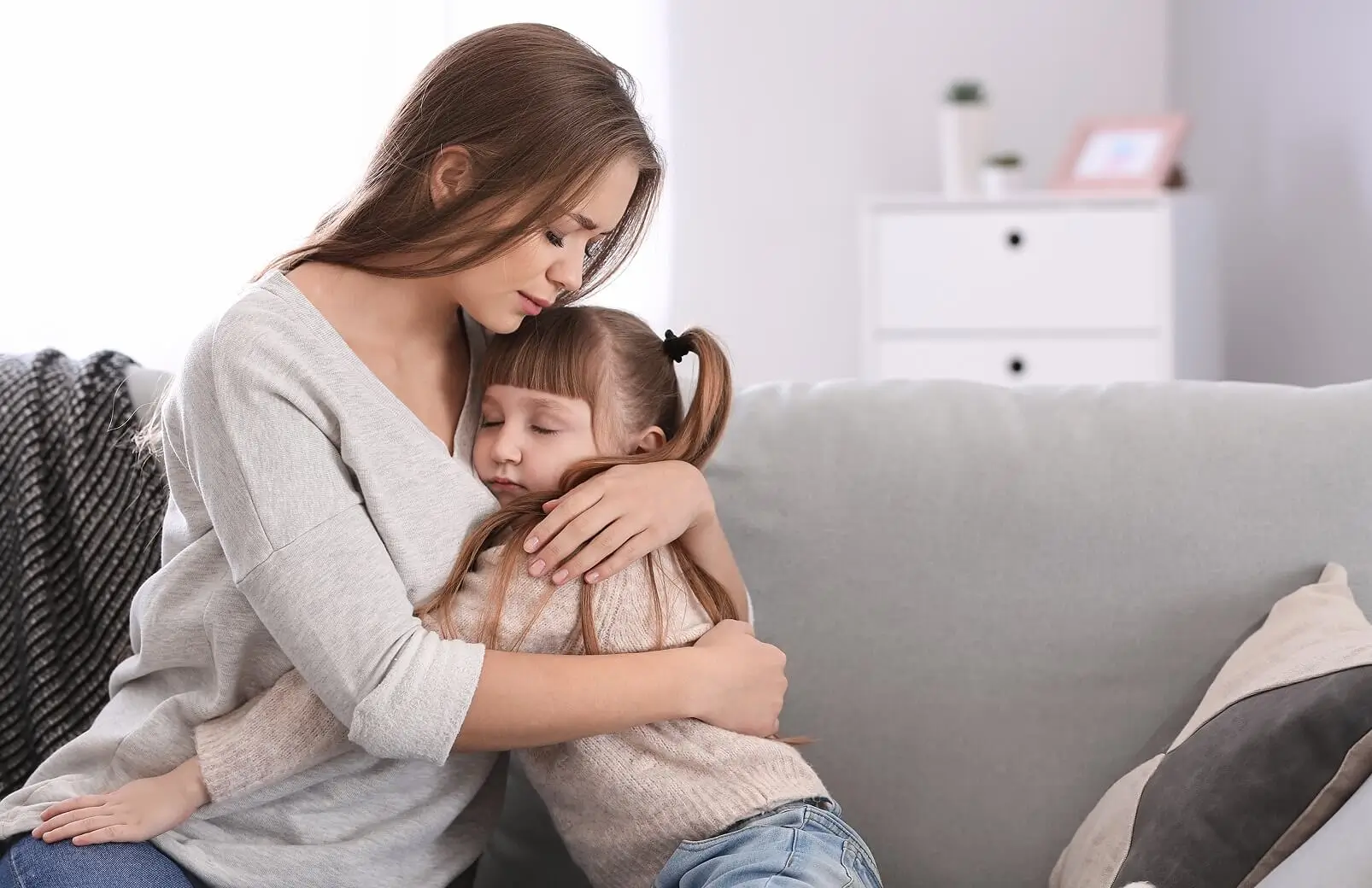
Emotional Signs Your Child Is Struggling After Divorce
The emotional effects of divorce on children are often the first to appear, and the most likely to be quietly carried. Watch for these shifts:
- Persistent sadness or withdrawal. A child who used to seek you out now keeps to themselves, loses interest in activities they loved, or seems flat and far away.
- Heightened worry or fear. Child anxiety after divorce frequently shows up as worry about the future, refusing to be apart from a parent, trouble sleeping, stomachaches, or a constant need for reassurance that everyone is okay.
- Anger and irritability. Some children express pain as frustration. Short tempers, slammed doors, and outbursts over small things can signal feelings they do not have words for yet.
- Guilt and self-blame. Many children quietly believe the divorce was somehow their fault. If your child apologizes excessively or seems to think they caused the split, that belief deserves gentle, direct correction. We cover this pattern in depth in our article Why Kids Blame Themselves for Divorce.
- Regression. Younger children may return to earlier behaviors like bedwetting, baby talk, or needing a comfort object, which is a way of seeking security during instability.
The thread connecting these signs is a loss of emotional safety. When children no longer trust that their world is predictable, their nervous systems stay on alert. Restoring emotional safety for children of divorce through warmth, honesty, and consistency is often what calms these symptoms over time.
Behavioral Signs to Watch For at Home
Child behavior after divorce can change in ways that look like defiance but often signal distress. Consider whether you are seeing:
- New aggression or acting out. Hitting, fighting with siblings, or testing limits more than usual can be a release valve for feelings that feel too big to hold.
- Clinginess or separation difficulty. A child who suddenly cannot tolerate being dropped off, or who panics at goodbyes, may be afraid of losing another parent.
- Withdrawal from friends and family. Pulling away from people who used to bring comfort is a meaningful change, especially in a child who was previously social.
- Changes in eating or sleeping. Sleeping far more or far less than usual, nightmares, appetite shifts, or new bedtime resistance often track with internal stress.
- Risk-taking in older kids. Teens may experiment with substances, skip curfew, or seek control in unhealthy ways when they feel their home life is out of their hands.
A single instance is rarely cause for alarm. A cluster of these changes that holds for several weeks is your signal to lean in with curiosity rather than punishment. Behavior is communication. The question worth asking is not "How do I stop this?" but "What is my child trying to tell me?"
School is where many struggles surface, partly because it demands focus that a distressed child cannot always summon. The connection between divorce and learning is well documented; for a deeper look, see How Divorce Affects Children's Education. At school, watch for:
- Dropping grades or incomplete work. A child preoccupied with worry at home often cannot concentrate on lessons or finish assignments.
- Trouble concentrating. Teachers may report daydreaming, distraction, or a child who seems mentally elsewhere.
- Increased absences or reluctance to go. Stomachaches on school mornings or outright refusal can reflect anxiety rather than illness.
- Conflict with peers or teachers. Irritability and emotional overwhelm can spill into the classroom as friction with others.
One practical step is to loop in your child's teacher or school counselor early. They can watch for changes you might not see and offer support during the school day, and knowing what is happening at home helps them respond with patience instead of discipline.
How To Help Your Child Through Divorce
Recognizing the signs is the first step. Helping kids through divorce means responding in ways that rebuild their sense of security. A few principles consistently make a difference:
- Keep routines predictable. Consistent meals, bedtimes, and rules across both homes give children a stable foundation.
- Reassure them repeatedly that it is not their fault. Children need to hear this more than once, in plain language, at moments when they are not in trouble.
- Protect them from adult conflict. Children should never carry messages between parents or hear one parent criticize the other. Reducing conflict is one of the most protective things co-parents can do.
- Let them love both parents freely. Loyalty binds, where a child feels they must choose sides, are among the most damaging dynamics after divorce.
- Make space for feelings. Let your child be sad, angry, or confused without rushing to fix it. Being heard is often what they need most.
If your child's symptoms are intense, last for many weeks, or include any mention of self-harm or hopelessness, reach out to a pediatrician, school counselor, or licensed therapist. Asking for help is a sign of good parenting, not failure.
Where The Center for Divorce Education Fits In
Knowing the signs is one thing. Knowing exactly what to say and do in the hard moments is another, and that is the gap our courses are built to close. The Center for Divorce Education has spent more than 30 years developing research-based programs that help parents protect their children from the worst effects of divorce.
Our flagship course, Children in Between, is an online, court-approved parenting class that teaches the communication and conflict-reduction skills shown to ease children's stress. For families navigating intense or ongoing conflict, High Conflict Solutions offers deeper strategies for lowering the tension children absorb. And because kids benefit from their own tools, Children in Between: For Kids is designed specifically for children ages 7 to 14 and their parents, helping kids name their feelings and understand that the divorce is not their fault.
Frequently Asked Questions
Most children show the strongest reactions in the first year and gradually adjust as routines stabilize. With consistent support and low parental conflict, many children adapt well within one to two years. Behavior that does not improve or that worsens over time is worth discussing with a professional.
More To Discover




*Included in SAMHSA's National Registry of Evidence-Based Programs and Practices