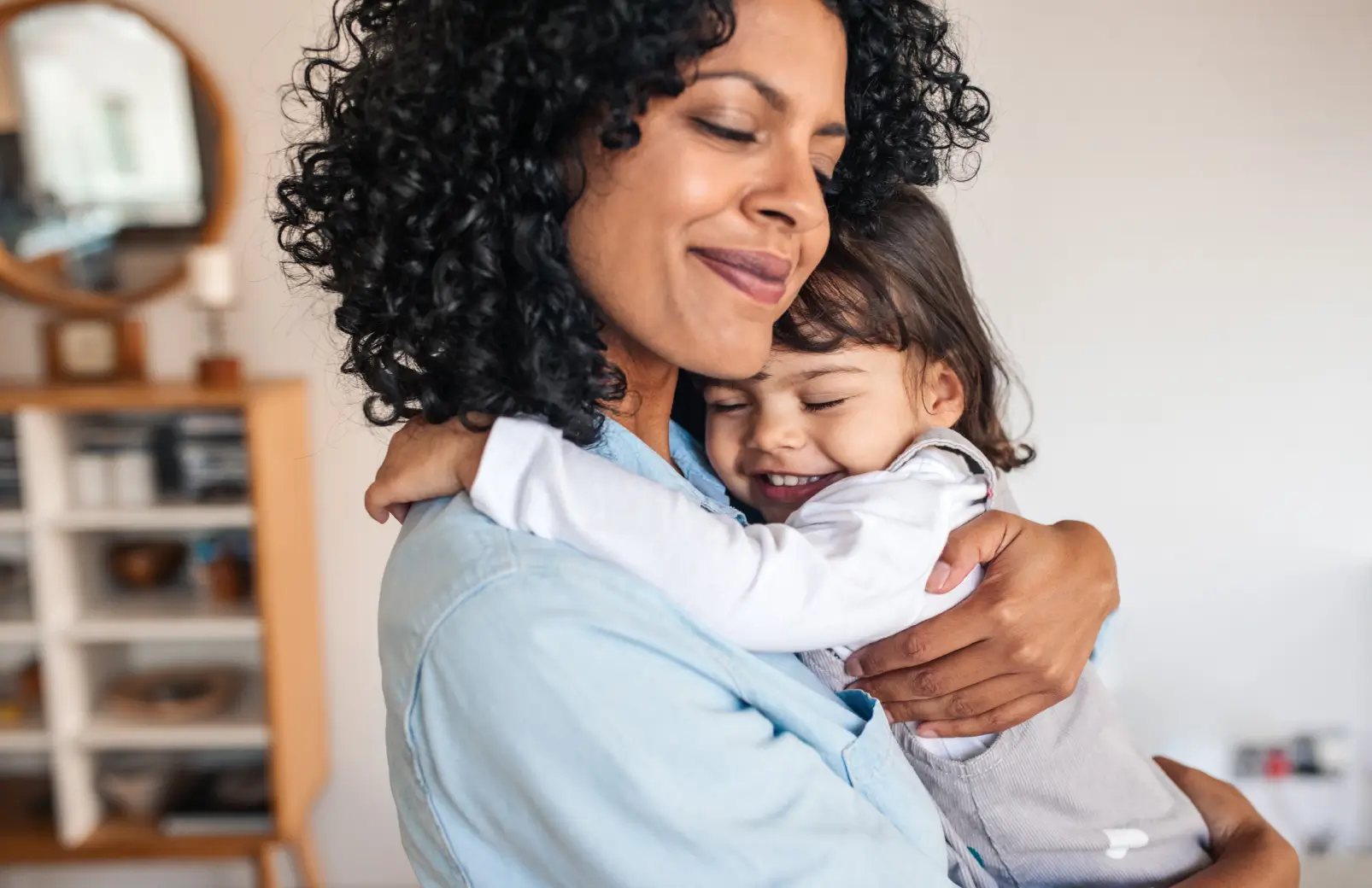
When parents separate, children lose more than a shared household. They lose the familiar rhythm of daily life that once told them, without words, that everything was okay. Understanding emotional safety, and how to rebuild it during and after divorce, is one of the most important steps a parent can take to protect a child's well-being during this transition.
Emotional safety is the feeling of being secure enough to express thoughts, feelings, and needs without fear of being dismissed, punished, or caught in the middle of adult conflict. For children navigating life between two homes, this feeling does not happen automatically. It has to be created, maintained, and reinforced by the adults around them.
Many parents assume that keeping arguments out of earshot or avoiding visible tension is enough to shield their kids. But the emotional effects of divorce on children go deeper than what happens in front of them. Kids pick up on unspoken stress, shifts in routine, and changes in how their parents relate to them. Emotional safety for children requires more than the absence of conflict. It requires the active presence of consistency, empathy, and emotional regulation from the people they depend on most.
Why Emotional Safety Matters More After Divorce
Divorce disrupts the structures children rely on to make sense of their world. The bedroom they slept in every night, the way mornings unfolded, the predictable presence of both parents under one roof. When those anchors shift, children look to their caregivers for signals about whether things are still okay.
Emotional safety and child development are closely connected. Research consistently shows that children who feel emotionally secure are better able to regulate their own emotions, form healthy relationships, and perform well in school. When that sense of security is shaken by a family change, kids may struggle with anxiety, withdrawal, or behavioral challenges, not because they are "acting out," but because they are trying to cope with an environment that no longer feels stable.
This is why co-parenting and emotional safety go hand in hand. The way parents communicate with each other, manage transitions between homes, and respond to their children's feelings directly shapes whether a child feels protected or exposed. A child who watches their parents handle disagreements with respect and restraint receives a very different emotional message than one who senses hostility, even if that hostility is never spoken aloud.
The Co-Parenting Conversations podcast explores this dynamic in depth. In Season 4, Episode 3, "Emotional Safety: What It Really Means for Kids," the hosts discuss how children need more than just a conflict-free environment. They need caregivers who are emotionally present, predictable, and willing to acknowledge difficult feelings without turning them into additional stress.
What Emotional Safety Looks Like in Practice
Knowing what emotional safety means is one thing. Building it into the fabric of everyday life is another. For parents navigating separation, emotional safety shows up in specific, practical behaviors that children internalize over time.
Predictability Across Both Homes
Children's emotional needs after separation include knowing what to expect. When bedtime routines, household rules, and expectations remain relatively consistent between two homes, children spend less energy bracing for the unknown and more energy just being kids. This does not mean both households need to operate identically, but core routines around meals, sleep, homework, and screen time should feel familiar enough that a child is not constantly recalibrating.
Emotional Attunement
Emotional security for kids depends heavily on whether they feel seen. Attunement means noticing when your child is withdrawn, anxious, or unusually quiet, and gently creating space for them to share what they are feeling. It means resisting the urge to fix, minimize, or redirect their emotions and instead sitting with them in the discomfort. A child who hears "It makes sense that you feel sad about this" receives a fundamentally different message than one who hears "You'll be fine, don't worry about it."
Regulated Responses from Caregivers
Children are constantly reading the emotional temperature of the adults around them. When a parent can stay calm during a stressful pickup, respond to a co-parent's message without visible frustration, or manage their own grief without leaning on their child for support, it sends a powerful signal: the adults are handling this. You are safe. Programs like the Children In Between class teach parents specific skills for managing emotional reactions and reducing the behaviors that most commonly put children in the middle of parental conflict.
Freedom From Loyalty Conflicts
One of the most damaging threats to a child's emotional safety is feeling pressured to choose sides. When children sense that loving one parent means betraying the other, they carry a weight that no child should have to bear. Emotional safety means a child can love both parents openly, talk about their time in the other home without anxiety, and never feel like a messenger or a spy.
Recognizing When a Child Doesn't Feel Safe
Not every child who is struggling will show it in obvious ways. Some children internalize their distress, becoming quieter, more compliant, or seemingly "fine" on the surface while carrying significant emotional weight underneath.
Signs that a child may not feel emotionally safe include becoming overly agreeable or reluctant to express preferences, avoiding talking about one parent while with the other, regressing to earlier behaviors like bedwetting or clinginess, showing physical complaints like stomachaches or headaches without a clear medical cause, and withdrawing from activities or friendships they previously enjoyed.
These signals are easy to miss, especially when parents are managing their own emotional adjustment.
But paying attention to subtle shifts in behavior is a critical part of maintaining emotional safety. If a child stops talking about their feelings altogether, it does not necessarily mean the feelings have resolved. It may mean they have decided it is not safe to share them.
For families dealing with heightened tension, the High Conflict Solutions Parenting Class offers targeted strategies for reducing hostility and creating an environment where children are not absorbing the stress of adult disputes.
Building Emotional Safety Across Two Homes
One of the most common concerns parents have after separation is whether their child can truly feel secure when living between two households. The answer is yes, but it takes intentional effort from both parents.
Keep Transitions Low-Stress
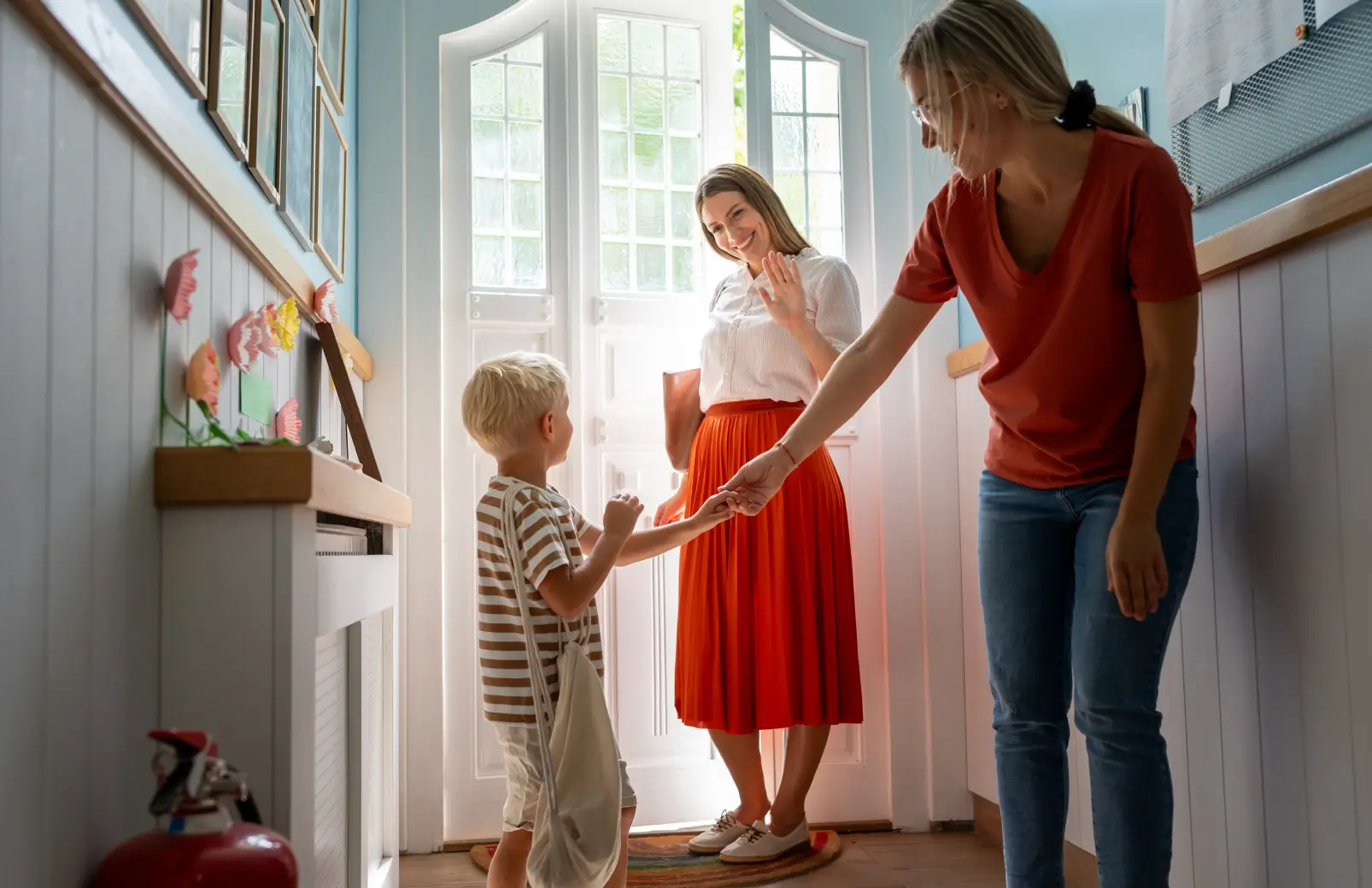
Pickup and drop-off moments are some of the most emotionally charged parts of a child's week. When those moments are handled calmly, with a brief and warm exchange between parents, children learn that moving between homes is normal and safe. When transitions involve tension, long silences, or veiled comments, children absorb that stress and carry it into the next home.
Communicate Directly With Your Co-Parent
Using a child as a go-between for scheduling, financial details, or logistical information puts them in a position no child should occupy. Direct communication between parents, even when it is difficult, protects children from becoming entangled in adult responsibilities. The Center for Divorce Education's parent resources provide guidance on building a communication framework that keeps children out of the middle.
Allow Your Child to Have Their Own Experience
A child's relationship with their other parent is theirs. Asking probing questions about what happened at the other house, reacting negatively to stories about fun experiences there, or subtly discouraging closeness with the other parent all erode emotional safety. Children thrive when they know they have permission to love and enjoy time with both parents without consequence.
Manage Your Own Emotional Health
Parents who are overwhelmed, grieving, or angry are less able to show up as the regulated, attuned caregivers their children need. Seeking support through therapy, community, or structured programs is not a sign of weakness. It is one of the most protective things a parent can do for their child's emotional safety. The Co-Parenting Conversations podcast regularly addresses stress management and self-regulation strategies that support both parents and children through the adjustment period.
FAQs
Consistent routines are one of the strongest foundations for emotional safety. When a child knows what to expect each day, from morning routines to bedtime rituals, they spend less mental and emotional energy anticipating change and more energy feeling settled. After divorce, routines act as anchors that communicate stability even when the family structure has shifted. Parents do not need identical routines in both homes, but keeping core elements like mealtimes, homework habits, and sleep schedules relatively aligned helps children feel grounded no matter where they are.
More To Discover




*Included in SAMHSA's National Registry of Evidence-Based Programs and Practices